Tooth Whitening and Brightening
By Dr. Popescu Ramona – Côté Gare Dental
Tooth discoloration can be caused by extrinsic factors (surface stains) or intrinsic factors (internal stains). In general, teeth tend to darken with age, which is part of the natural aging process. Milk teeth, or temporary teeth, are much whiter than permanent teeth.
Many people want to regain a brighter smile through the various whitening and brightening options available.

Zoom! – In-office Whitening
Zoom! Whitening is the method used by Dr. Popescu for in-office whitening. It's a quick, effective, and proven solution.
It involves applying a hydrogen peroxide-based gel to the teeth, then using a powerful light to accelerate the process.
The session lasts about 60 minutes, and you leave immediately with a visibly whiter smile!
Home Whitening Trays
Home whitening uses gels with 16% or 22% hydrogen peroxide in a milder and safer version.
Dr. Popescu performs a digital scan of your teeth to fabricate a custom tray that holds the gel in place while minimizing contact with the gums.
The tray is worn a few hours per day, often at night. A complete treatment usually lasts 1 to 2 weeks.
Mild side effects, such as sensitivity to hot and cold, may occur, but they disappear once you stop using the product.
Why do teeth change color?
Teeth can discolor during formation (childhood) due to illnesses or certain antibiotics (like tetracycline).
They can also discolor if the dental pulp (nerve and blood vessels) dies or is damaged by decay or trauma.
With age, enamel thins and erodes, and dentin darkens, making teeth naturally darker.


Surface stains (extrinsic)
The most common causes of superficial stains are:
- Tobacco (tar)
- Strong tea, coffee, red wine
- Cooked vegetable oils (melanoidins)
- Iron-based medications
- Highly colored foods
- Tartar (calculus), which strongly retains pigments
Internal stains (intrinsic)
Non-vital teeth (without nerve) are darker than vital teeth.
Upper incisors that have suffered trauma may darken if blood vessels at the root tip are ruptured.
In case of internal hemorrhage, blood breaks down inside the tooth, causing permanent discoloration.
Chemical whitening (brightening)
Whitening uses chemicals to oxidize the molecules responsible for discoloration.
It's not a temporary treatment.
It also removes some surface stains (tobacco, tea, coffee).
External whitening
Dentists can apply hydrogen peroxide or carbamide peroxide products, either:
- In-office: with higher concentration and a special lamp, protecting the gums. Duration: 30 minutes to 1 hour. Multiple sessions may be needed.
- At home: with custom trays (see above).
Internal whitening
If a tooth is discolored due to pulp death, Dr. Popescu can perform internal whitening after root canal treatment.
The whitening gel is sealed inside the tooth for about a week, then removed, and a composite matching the natural color is placed to seal it.
Internal + external whitening
For endodontically treated teeth (non-vital), both techniques are often combined.
A gel is placed inside and held with a tray.
Results are excellent.
Results and limitations
- Yellowish teeth respond well to whitening
- Grayish teeth: sometimes limited results
Fillings and restorations do not change color. If they become more visible after whitening, they will need to be replaced.
Whitening toothpastes
Whitening toothpastes contain mild abrasives to remove surface stains but do not change the intrinsic color of teeth.
Used regularly, they can help prevent stain buildup.

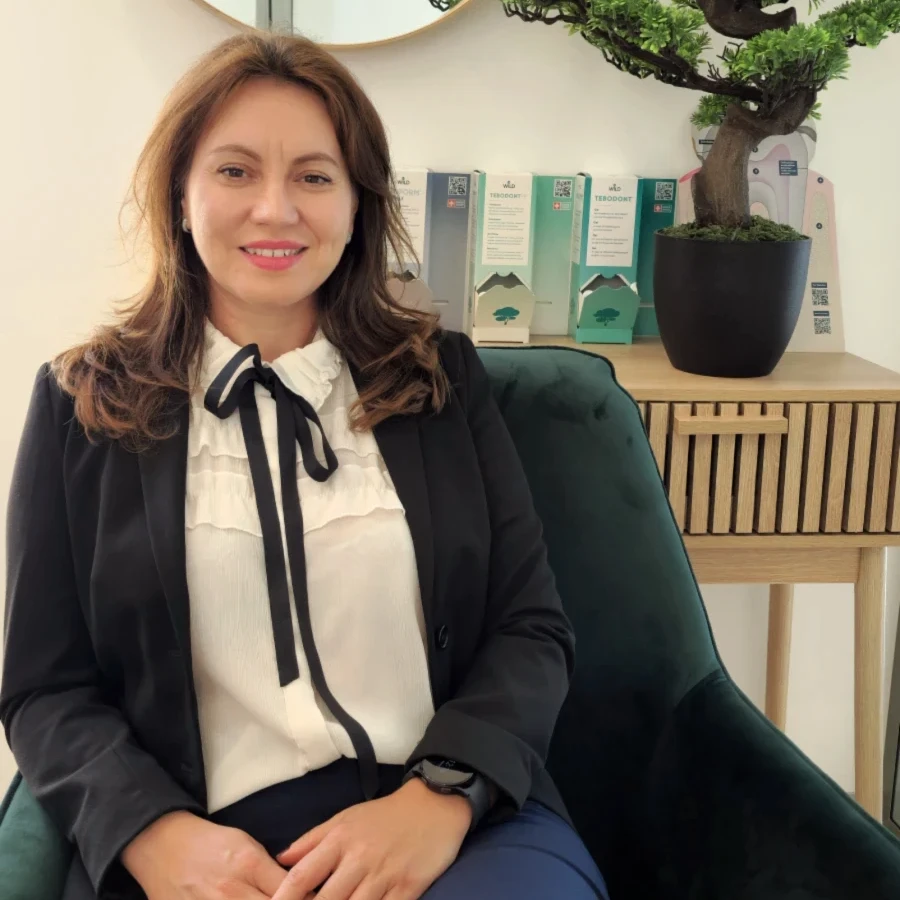
In summary – Dr. Popescu's advice
- Visit your dentist regularly
- Maintain good oral hygiene
- Whitening can improve appearance but does not replace regular care
- Dr. Popescu will advise the most suitable solution: whitening, veneers, or crowns depending on the case
CONTACT INFO
Saturday: 9:00 AM-3:00 PM
Sunday: closed


Make an appointment
Fill in the form below and we will contact you as soon as possible.